

I love venison. Properly harvested, butchered and prepared venison is my favorite meat. Do I like every venison meal I have eaten throughout my life? Definitely not! Not everyone understands how to cook or prepare venison. There are some inherent differences between venison and domestic meats.
Deer meat (venison), just like beef or pork or any other meat has to be handled properly from the time the animal is killed until it’s on the dinner plate. People often refer to that ‘gamey’ flavor of venison. A primary reason for this ‘off’ flavor comes from the fat in venison. While fat in domestic beef and pork adds moisture and flavor, leaving fat in venison is a sure fire way to ruin even the prime cuts.
The animal harvested also plays a huge factor in the flavor of meat. Would you buy steaks from the oldest, toughest bull or would you prefer a grain fattened younger animal? The answer is pretty obvious, likewise steak from a 6-year-old whitetail buck that’s lost 25 percent of his body weigh during the rut (breeding period) will not be as tasty as the same animal taken early in the season or, a fat doe.
What do you think that ten-dollar-per-pound prime rib cut would taste like if the beef was hauled around in the back of a pickup truck for hours before butchering in temperatures suited for a Caribbean vacation?
Proper care of the meat is paramount and aging for a few days adds much to the flavor of beef or… venison. This aging can be accomplished in a walk-in cooler with controlled temperature of in the refrigerator a couple days after you defrost the frozen steaks and plan to prepare your meal of chicken fried steak. Many hunters keep their quartered pieces of venison in the ice cooler, remove the drain plug and add fresh ice every couple of days. While this method does work, I much prefer aging the animal in a walk-in cooler or in an outside building if the weather is cold for a few days.
Knowing which cut of venison is best suited for different methods of cooking is also important. I have eaten (or tried to eat) chicken-fried venison steak cut from the lower ham that was as tough as boot leather. Tenderizing does help but in my opinion, venison steaks should always come from the upper ham meat, a few steaks can also be cut from the upper shoulder, providing its run through a tenderizer.
Granted tougher steaks can be made tasty by slow cooking with moisture in dishes such as Swiss steak
or steak with mushroom gravy.
Now that I’ve given you my take on preparing venison for the table, let me share some of my favorite methods of eating it!
THICK CUT BACKSTRAP STEAK This is my favorite method of preparing venison. I begin with thick cut (three quarter inch) cuts of back strap that have been seasoned with dry seasonings in a zip loc bag in the fridge for two or three days. I begin by melting a stick of unsalted butter in my cast iron skillet and add several cloves of chopped, fresh garlic and a finely chopped jalapeno, seeds removed.
After the pepper and garlic has heated a couple minutes, I place the steak in the skillet and turn the heat to medium. I like steaks that are well done but not overcooked. After about 5 minutes on either side, the steaks are cooked to perfection and butter knife tender. I know, I know...venison is supposed to be eaten medium
rare…I’ve found it much more flavorful cooked well done with moisture but, to each his own in regards to preferred doneness!
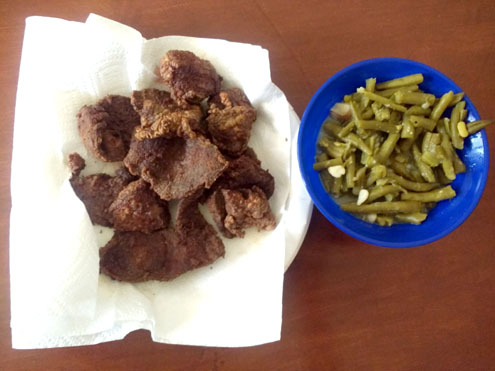
I have on occasion placed the steaks on my smoker for a few minutes to give them a smoked flavor before placing them in the skillet but don’t leave them too long or even a tender backstrap steak will become tough without moisture. Served with a baked potato and salad or green veggie, this is my favorite way to eat steak, regardless if it’s from a fattened beef steer or wild deer.
I do like to add a bit of A1 Steak sauce, but that’s just me.
SMOTHERED STEAK I use ham steak (round) for this one and begin by seasoning, dusting with flour and frying the steaks. Next, I drain most of the cooking oil and add the steaks back in the skillet along with a chopped onion and a handful of freshly chopped mushrooms.
Sometimes I make a flour gravy (Roux) but more often I use Pioneer brown gravy mix or a couple cans of mushroom soup with equal amounts of water. I then place the lid on my cast iron skillet and either turn the burner down very low or place it the oven set at 350 for about 30 minutes.
If I’m at camp or cooking outside and want a one skillet meal, I add a cup of rice and about that much more water and give it another 20 minutes for the rice to cook.
The slow cooking method with moisture tenderizes even the toughest cuts of venison.
NECK ROAST Many hunter grind the neck meat into sausage of venison burger but I love to make a neck roast with veggies. Begin by seasoning with salt, black pepper and garlic powder, coating with flour and brown in a large roaster of Dutch Kettle. Next add beef stock, cover with lid and bake or slow cook over campfire or low flame on stove for at least an hour. The roast is ready when the meat falls off the bone.
Next I add a stick of butter and veggies, which can vary but always include carrots, onion and potatoes.
Give everything an addition sprinkling of course ground black pepper and continue cooking about 30 minutes, until the veggies are tender.
Hopefully, you have plenty of venison in the freezer from this past hunting season, if not there is always muzzleloader season in many counties as well as ranches with TPWD permits where hunting is allowed
through February.
Remember the Lake Fork Campfire Expo Feb 10 at Fisherman’s One Stop. Larry Weishuhn, myself and
many others are eagerly awaiting this event! This promises to be a fun winter winter day in theoutdoors. For booth space or more information, contact Donna at 469 552 1824.
Contact outdoors writer Luke Clayton through his website www.catfishradio.org