

Fall has arrived according to the calendar and with that comes fall calving, weaning spring born calves and getting ready for the quickly approaching change in seasons once again. If you are in Bermuda grass county, we normally expect it to quit growing around October 20 which is when night time lows begin hitting that 45-degree mark. While the quality of the forage will remain good, we just stop accumulating more forage.
This is not all bad as it allows our newly-sown fall pastures to begin growing as the competition for sunlight is now in the fall seeded crops favor assuming the Bermuda grass is short. Being successful with overseeded fall pastures is dependent upon them being able to have sunlight as well as moisture with sunlight normally being the limiting factor. Just remember, grasses don’t grow in the shade.
Around here, we will continue to let our cattle graze the overseeded pasture, if it is 4 plus inches tall or better, to help get our fall seeded pastures going. Once that occurs, we will take them off that pasture to allow it to accumulate knowing that the days are getting shorter and temperatures are getting lower which slows down plant growth. Combining warm season and cool season crop can be a juggling act in both the fall and the winter. Since we primarily use Marshall or Nelson ryegrass, we have been known to add 20 or 30 pounds of cereal rye, e.g.,
Maton, Elbon, etc. Lightly discing your pastures immediately prior to or after seeding will double your fall forage production.
We quit using wheat as part of our mixture due to the inherent health issues, e.g., bloat, milk fever, etc. and being more susceptible to insects e.g., greenbugs. By
using the ryegrass, we will also extend our grazing 30 days or so longer than wheat. That extra month comes when the calves will be gaining 2.5 lbs. per day or more and at today’s market is worth approximately $187.00 per calf. If we are running more head per acre, well you can do the math. That one extra month of grazing because ryegrass is in our mixture, will more than pay for all our
establishment expenses {plus} which makes the other months of grazing basically free. The rules have changed with the current cattle market and we surely need to take advantage of every opportunity to increase our returns.
Fall is also when we will be working our fall born calves making sure to get that initial blackleg vaccination in them and getting them dewormed. We will also be boosting the cows with Lepto-Vibrio and deworming all cattle that are 2 years old or younger and those that look like they need help. We will use an injectable wormer in the fall as it also helps with grubs, lice and flies.
As we turn the corner into different seasons, particularly with this great cattle market, we need to be sure to keep out a good loose mineral, get our momma cows in good shape headed into winter, even if it means weaning our calves a little earlier that usual. Nutritional needs for cattle with low body condition scores are higher that cows in good condition and the ability to get them in better shape is extremely expensive and almost impossible.
It's a wonderful time to be in the cattle business.
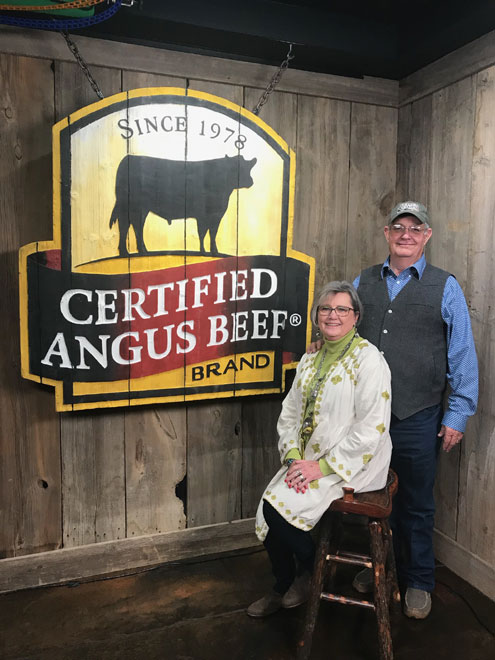
Rayford Pullen
Pullen Angus
rcpullen@yahoo.com