

The 25th in a series of articles
for the 175th Anniversary of Bonham
Bonham's mud streets get paved
Bonham, Texas -- Bonham was behind other towns in paving its streets.
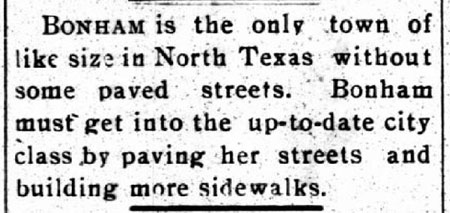
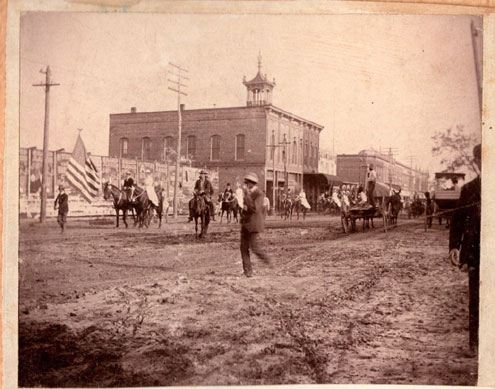
The main streets of Bonham were hub deep in mud during the rainy season. Bonham citizens were tired of having to wade in the mud on unpaved streets and sidewalks.
In 1911 a new city charter was adopted for Bonham. Apparently it allowed for the issuing of bonds. The first action of the new City Council was ordering of a bond issue of $100,000 for street paving and street improvements. The issue carried by 8 to 1.
The City would pay a portion of the expense of paving the streets and the owners of abutting property paid their proportionate part of the remaining cost. The City paid for all intersections.
The streets around the Square and down Main Street to the T&P Depot were the first streets to be paved.
We are so fortunate to have many wonderful photos of the paving process which were taken by Erwin Smith and are available online at the website of the Amon Carter Museum. It must have been amazing to Bonham citizens to see this work taking place.
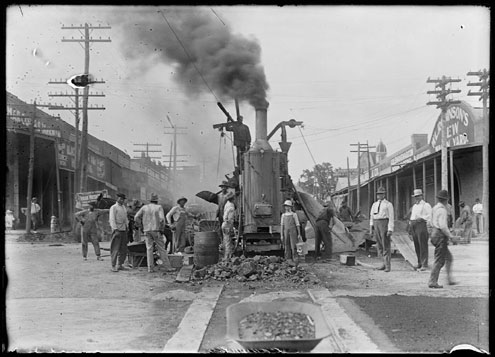
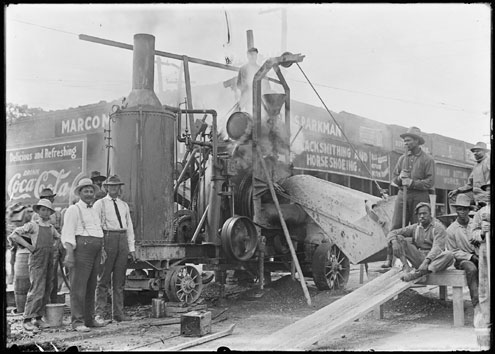
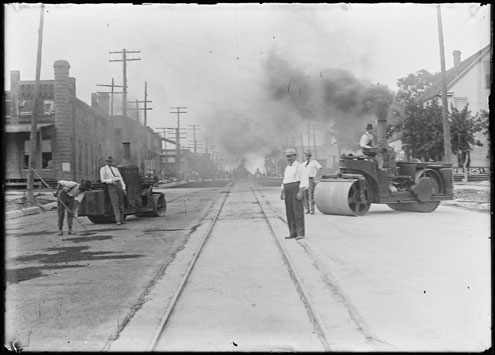
Because of the paved street around the courthouse, the commissioners enlarged the courthouse grounds, creating what was called then a “park.” Concrete sidewalks reaching from the four sides of the courthouse to the paved street were installed. Trees and grasses were planted. The work proceeded quickly.
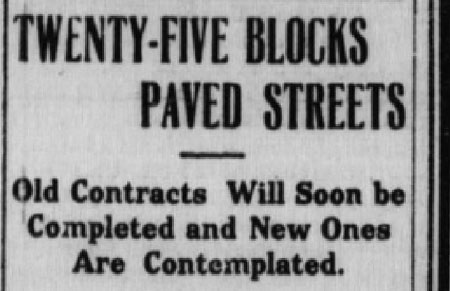
By 1914 the downtown area was being paved and concrete sidewalks laid.
Citizens were clamoring for more bonds to black-top the residential streets.
In 1915 more street paving and black-topping was done in the residential sections.
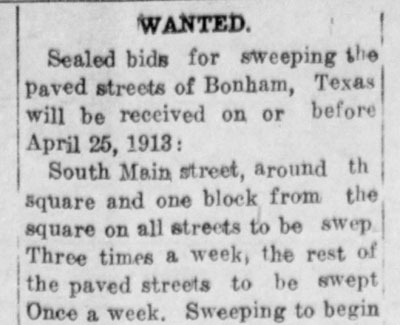
The City also paid for the sweeping of the streets 3 times a week. It seems that mud from the streets that were not paved ended up on the paved streets.
In 1914 the Bonham Daily Favorite was advocating the paving of the street out to Willow Wild Cemetery. By 1917 the road to Willow Wild had been paved.
This was an amazing time of growth in Bonham. Mayor Joe Thurmond wrote in the Bonham News, Nov 14, 1916:
“Within the last five years Bonham has done more public improvement than was done by her in twenty years . . . We have paved all of our business streets, and many of our residence streets, and the work of paving is still under way. We have built within the past two years a modern High School building, one of the best in the State, built a splendid sewerage system, built many splendid homes, several new churches, new store buildings, and enlarged our Cotton Mill twice and have built many miles of concrete sidewalks.”
In addition to the streets in Bonham, by 1916, due to the passage of Good Roads bonds, Bonham had 60 miles of “good paved roads” leading to Bonham and would soon have 100 miles.