

The 16th in a series of articles
for the 175 Anniversary of Bonham
Bonham, Texas -- What is the history of Bonham’s airport, Jones Field?
It got its start because of one man, Bonham native Charles Jones.
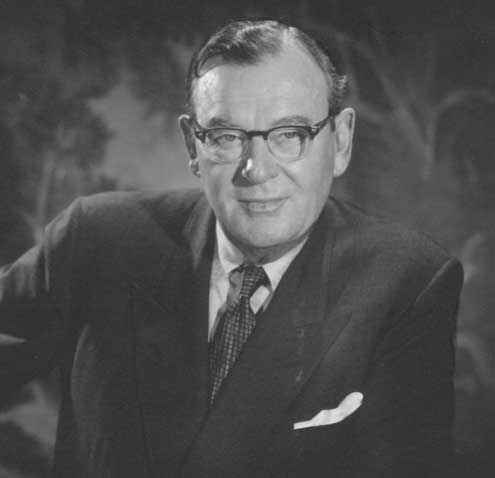
Charlie Jones left Bonham after high school and ended up in California as President of Richfield Oil Corporation. The story goes that he wanted a way to fly into Bonham to visit his mother, and thus supported a building of an airport in Bonham. In 1928 he gave $10,000 to the City to be placed in a trust towards building an airport “as a memorial to my deceased father, Geo. W. Jones.”
In 1929 the Bonham City Council voted to buy 131 acres north of town to be developed as an airport.
Jones Field in Bonham was opened on November 11, 1929. Soon planes were flying passengers, freight and mail between Bonham and Dallas.
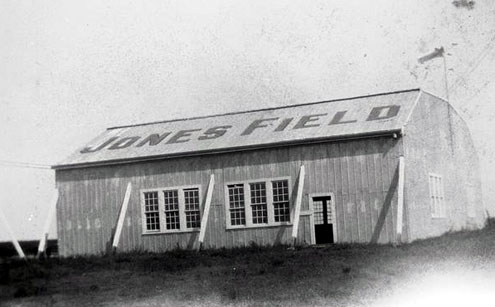
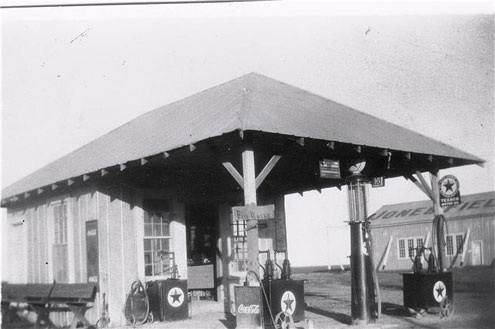
But as World War II began Jones Field became one of 17 civilian flight schools in Texas, and the first Army and civilian personnel arrived July 31, 1941. Sam Rayburn spoke at the dedication which was attended by a crowd estimated at 2,000. The Bonham High School Band played. The original Jones Field was 131 acres, but Bonham voted additional bonds to bring the facility to 315 acres. At the time of dedication two hangers would accommodate 35 planes each. Three barracks housed 80 men each with additional facilities such as a hospital, mess hall and recreational buildings.
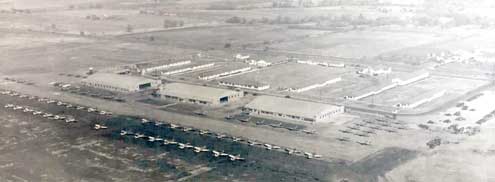
In addition to Jones Field, there was Kueckelhan Field, a primary field with a small cafe for instructors and two hangars; this was where most pilots received their first 45 hours of flight training before transferring to Jones Field for the second half of primary training. Trainees and their instructors could also shoot touch-and-goes at three more auxiliary airstrips -- Craven Field (just south of Red River), Brown Field near Ravenna and Hrdlicka Field approximately two miles east of Ivanhoe (named after the Bonham mayor).
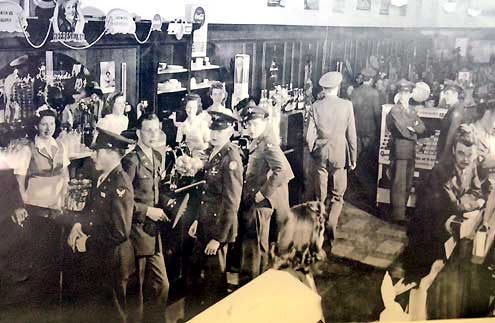
Bonham was a boomtown as thousands of young aviators went through training and then spent their free time in local hot spots such as the soda fountain at Saunders Drug Store. Boyd, Evans and Graham streets were built to house ground school instructors, flight instructors and mechanics.
The airplane used for training at Jones Field was a Fairchild PT-19. From 1941 until Jones Field closed in 1944, approximately 5,000 pilots were trained at Jones
Field on the PT-19. The plane was built specifically for training new pilots. The frame was built of metal piping and carried a Ranger 6-cylinder, inverted engine.
The aluminum materials used for the body and wings weren’t top quality because the plane was used as a trainer and had a short life expectancy. The cadets who successfully completed primary pilot training at Jones Field were destined to enter fighter pilot training -- often flying PT-13s at nearby Perrin Field -- or bomber school at Enid, Oklahoma or San Antonio, Texas.
The final flight of a military student-pilot at Jones Field was in October 1944 and the process was initiated to return the airstrip to civilian control.
Over the years former Jones Field instructors returned to Bonham for reunions. A proposal was made to locate a Fairchild PT-19 to restore for permanent display at the Fannin County Museum of History. Contributions for this effort were made by many local businesses and organizations, and a large room at the Museum which was then undeveloped was refurbished to resemble the interior of a hanger from Jones Field. Local businesses helped with construction and electrical and lighting upgrades.
A plane was found in want ads, and the owner finally donated the plane to the reunion group. It was in parts and pieces, so restoration took nearly two years.
As the plane was to be kept in the Museum, the plane wasn’t restored to flying condition, but serves as an impressive reminder of what the Jones Field students
and instructors had to work with.
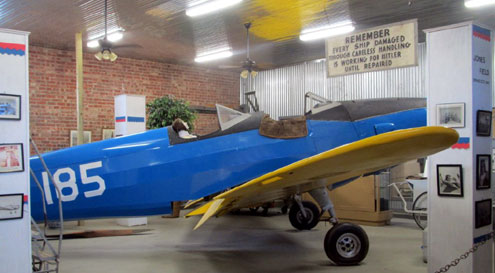
Along with the plane at the Museum are flight suits and other memorabilia, as well as photos of many of the young men who trained at Jones Field. This airplane is one of the most popular exhibits at the Museum. Come see it yourself and bring your kids and grandkids.