For accountants everywhere, its the playoffs.
From now until April 15, piles of papers and folders cover desks until they begin going on stacks in shelves. When the shelves are full, stacks of financial information begin covering the floor. Anxious clients bite fingernails in the lobby and hope they kept all the proper receipts.
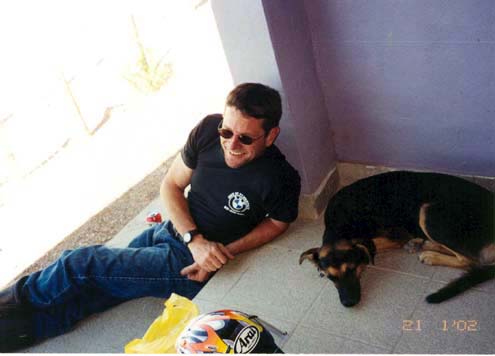
Bonham's own Bert Simpson is no exception. For the next couple of months, Bert is all business. But, before you start feeling so sorry for him that you want to send flowers and a card to cheer him up, let's talk about what Mr. Simpson does on vacation. This guy works hard, but he plays pretty hard, too.
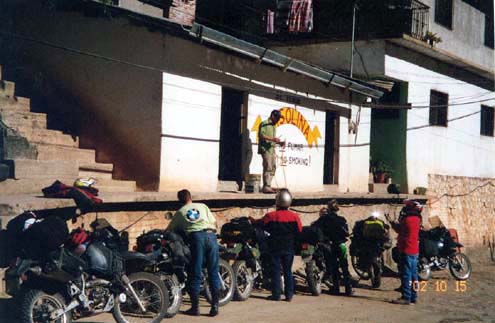
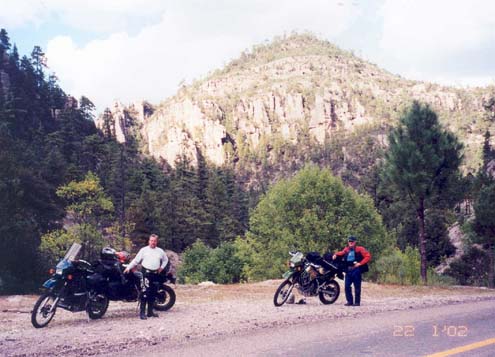
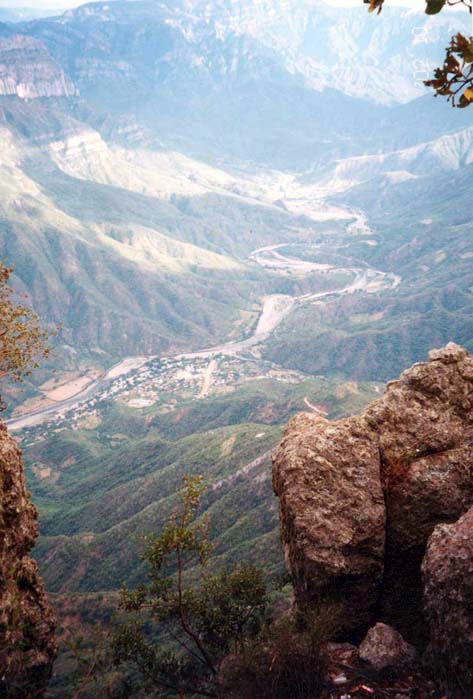
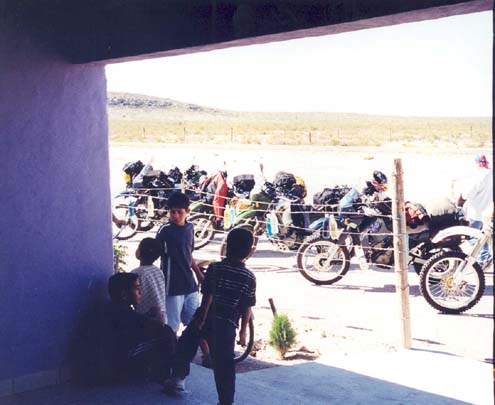
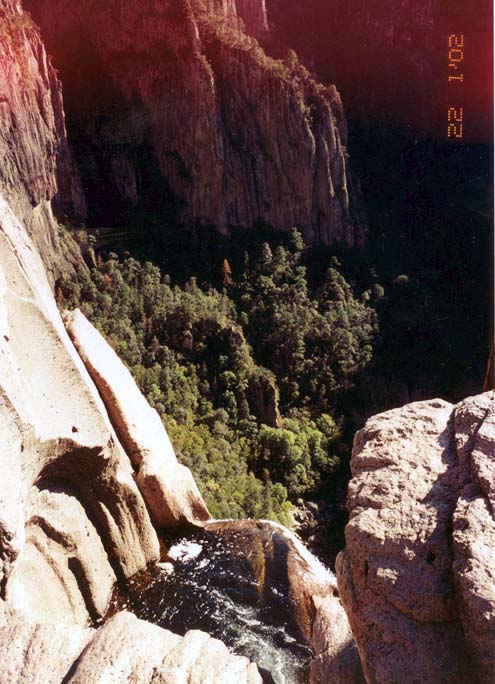
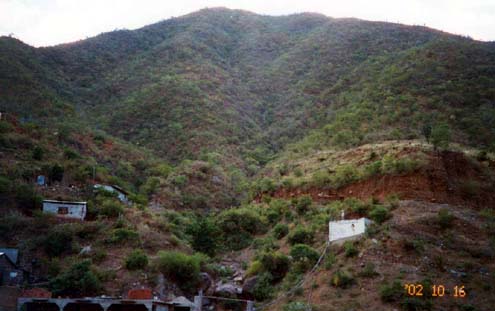
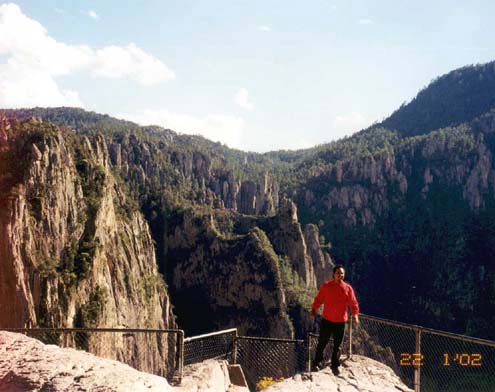
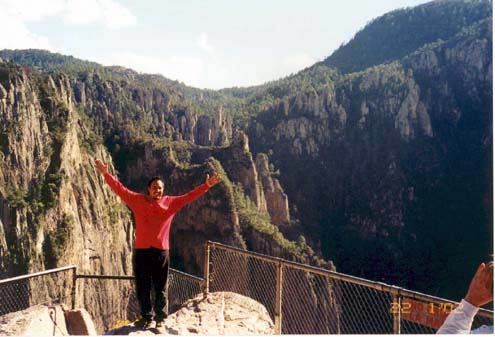
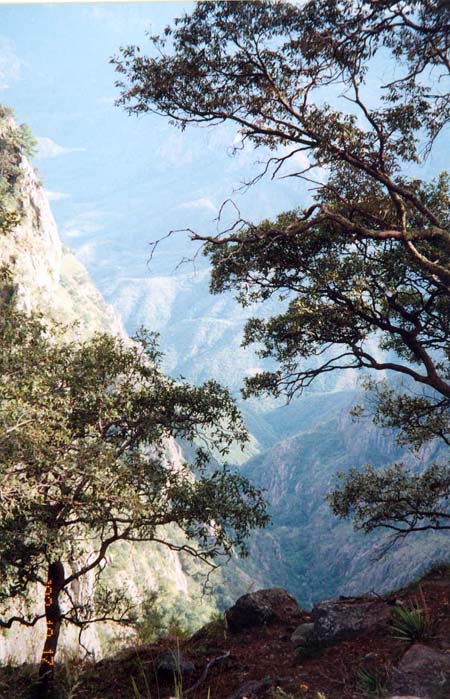
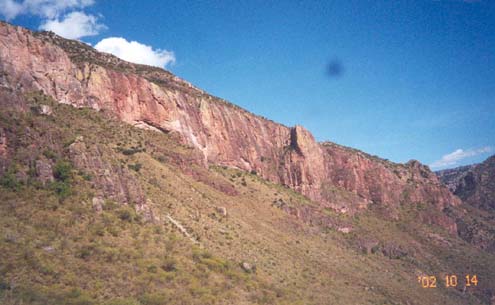
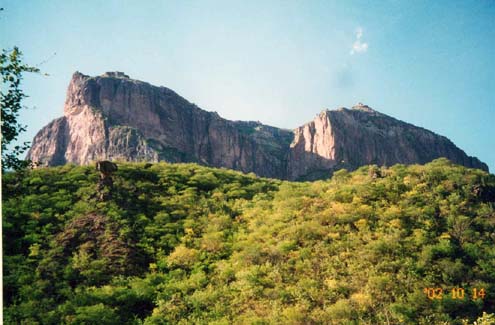
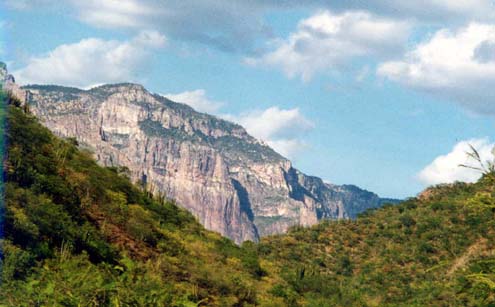
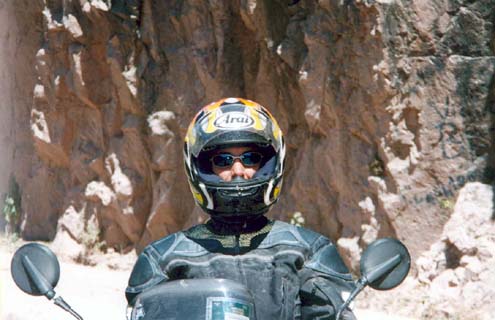
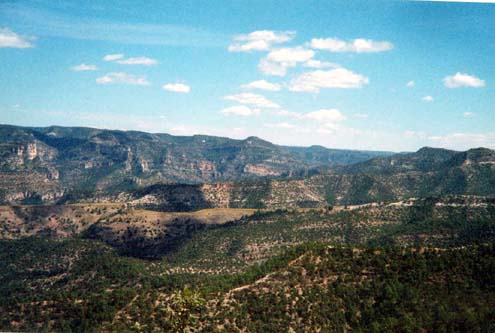
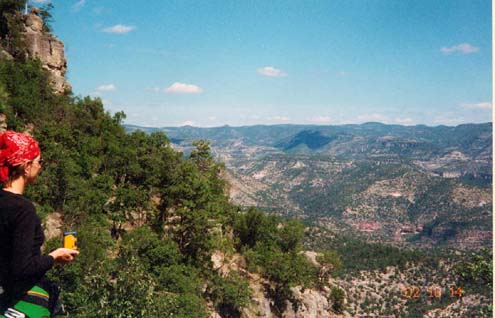
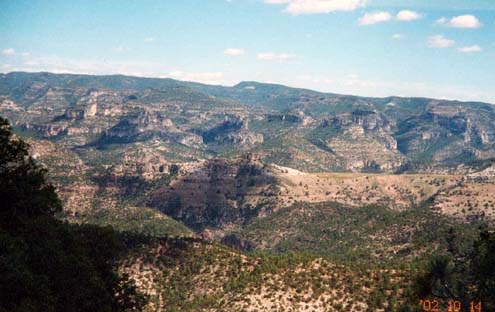
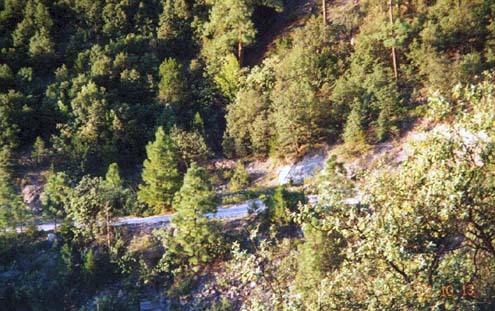
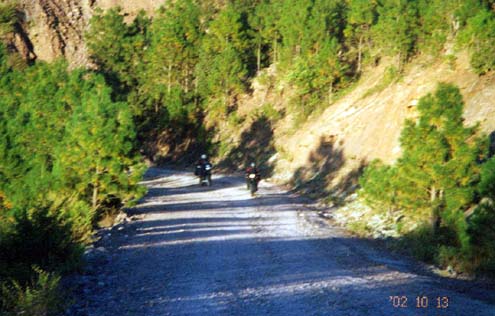
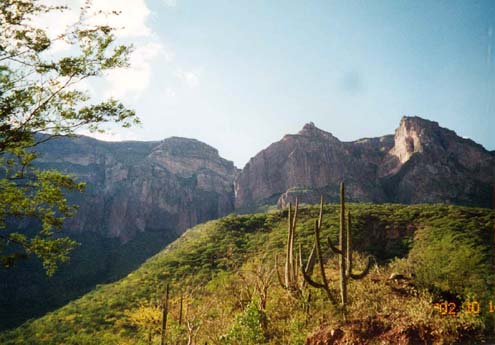
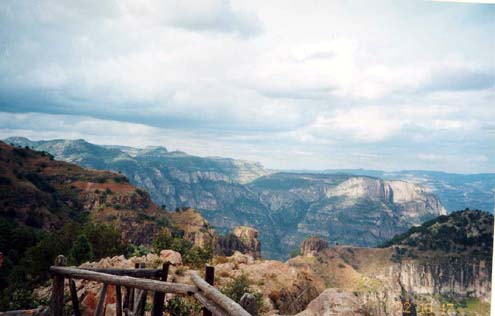
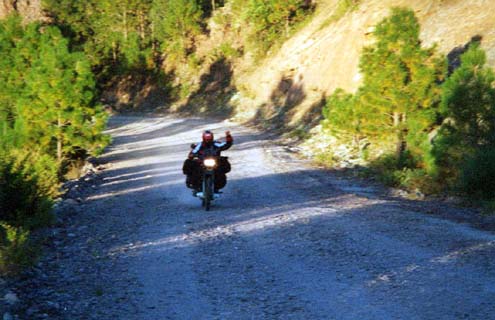
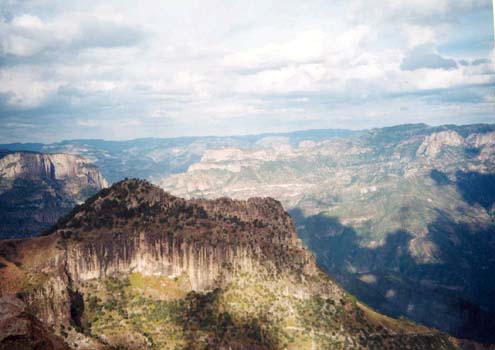
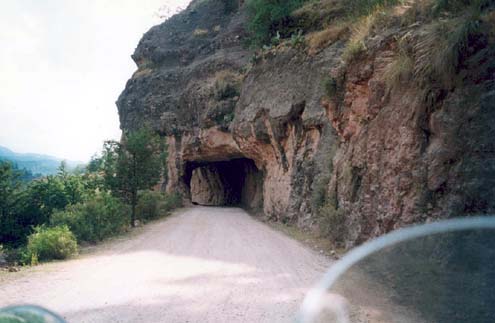
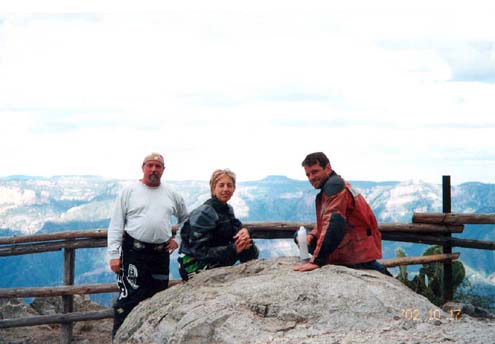
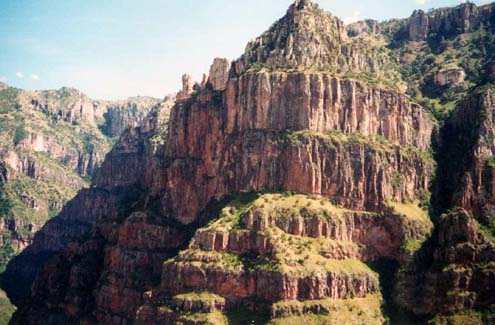
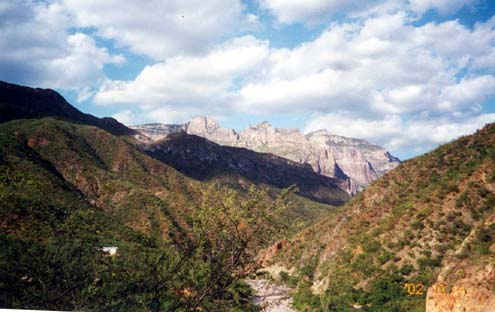
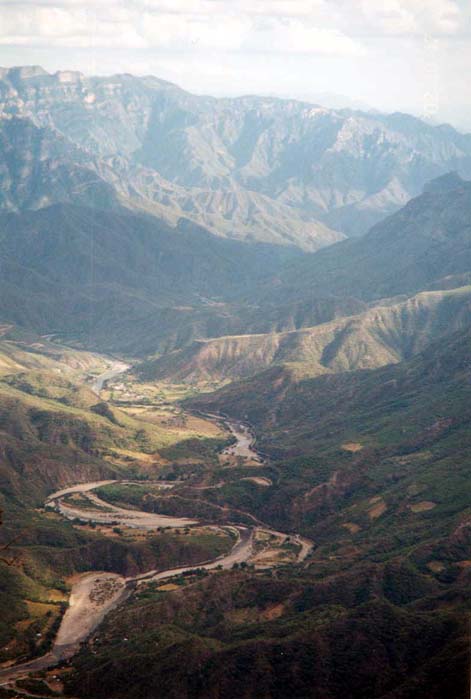
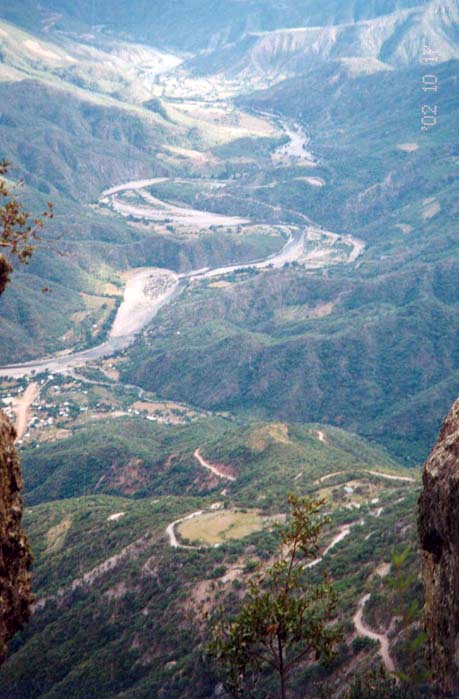
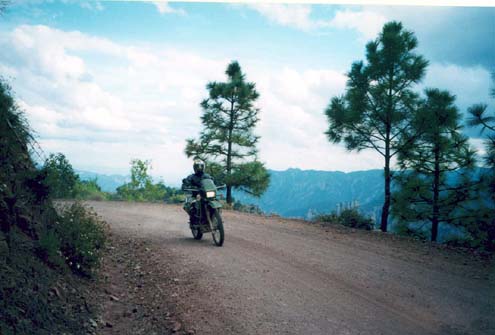
Put yourself in Bert Simpson's place back in 2002. You hit the starter button and the big Kawasaki motorcycle rumbles to life. Two hundred fifty miles across the Mexican border is your destination, Copper Canyon, a majestic chasm in the earth that is four times larger than the Grand Canyon and close to 1,100 feet deeper. Located in Mexico's Sierra Madre Occidental Mountain range, thousands of tourists ride the Chihuahua al Pacifico Railroad every year through this region and bring back stories of some of the most remarkable scenery anywhere. The railroad runs through 86 tunnels and rumbles over nearly 40 bridges as it slowly climbs 8,000 feet in elevation, all of which have earned it the title of the most scenic train ride in the western hemisphere. But you should see it on two wheels.
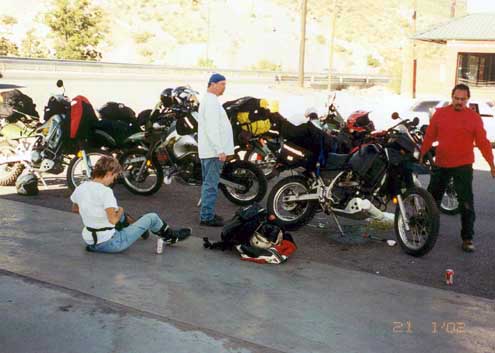
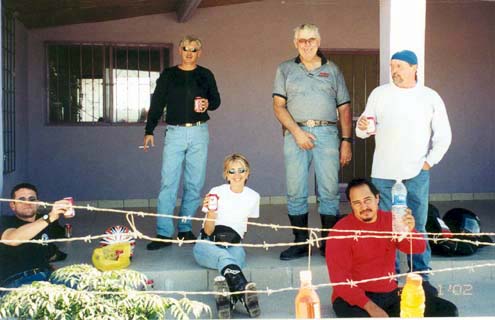
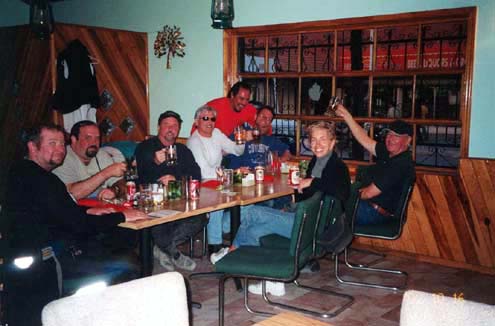
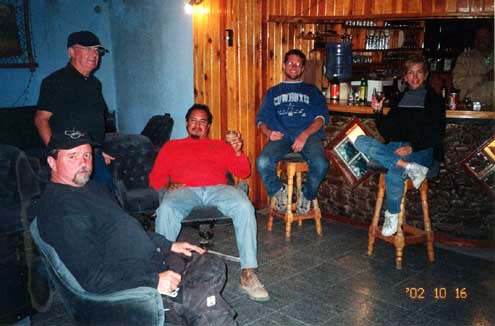
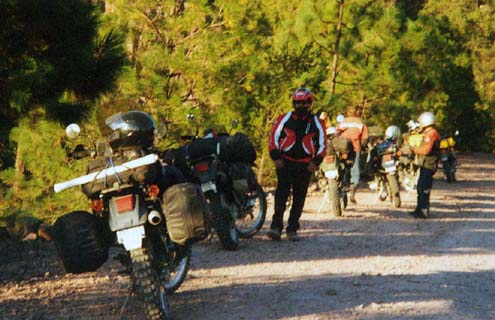
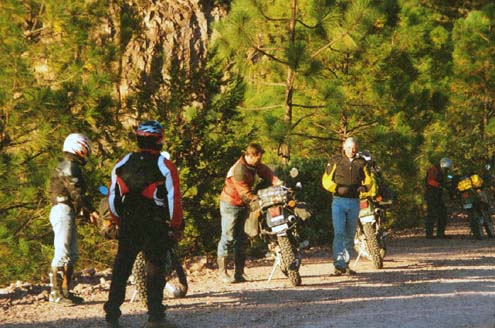
One big difference between a ride on the Chihuahua al Pacifico Railroad and a road trip with Bert and the boys was there wasn't anything slow about the journey Simpson made with seven other riders from the Dallas area. Actually, one of the boys was a young lady, but no one had to help her keep up.
"She was a better rider than I was," Bert says modestly with a grin.
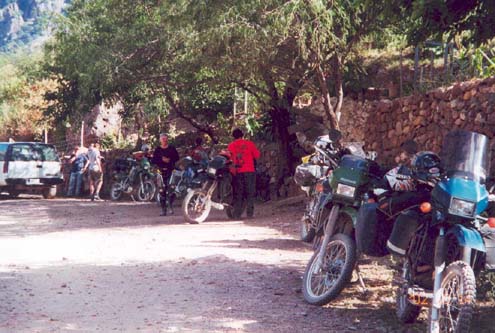
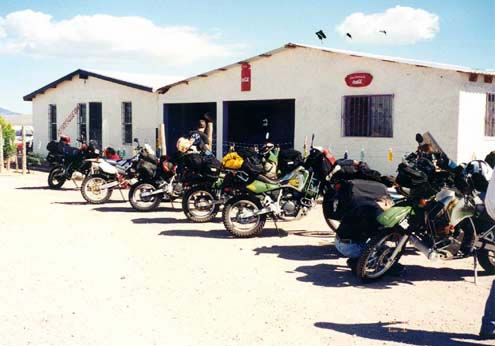
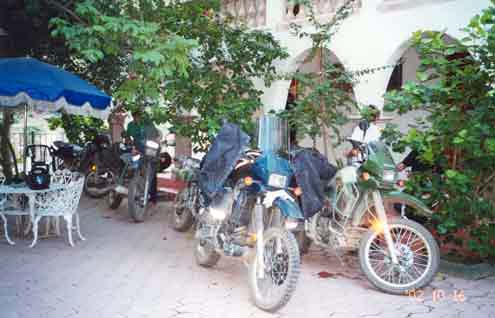
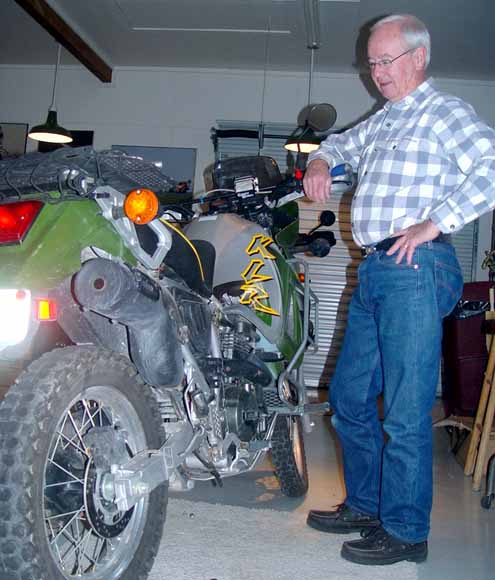
For this expedition, the bikes were trailored to Presidio and all seven riders were on a KLR 650 because the long-range Kawasaki's 6.1 gallon fuel tank would allow the group to safely travel 200 miles between refueling stops.
And what did gas cost once the motorcyclists were traveling in Mexico?
"We paid whatever they said to pay," Simpson stated matter-of-factly. "We would be buying gas out of 50-barrell drums and we really didn't even know what we were buying...it was just a black drum."
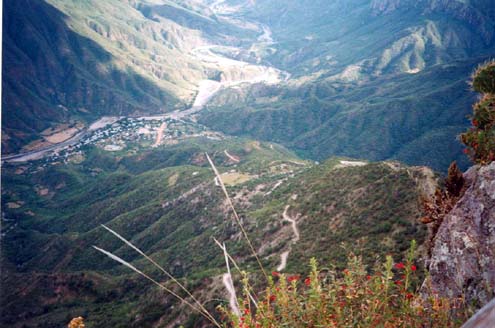
Visitors to the region of the Sierra Madres that Bert's crew was headed often refer to the entire 25,000 square miles of gorges as Copper Canyon, but there are actually six different canyons that comprise this geographical marvel. Of the six, Urique Canyon is the deepest at 6,135 feet, followed by Sinforosa Canyon (5,904), Batapilas Canyon (5,900), Copper Canyon (5,770), Tarareque Canyon (4,675) and Oteros (3,225). While the Grand Canyon is much wider, it is 4,476 feet deep by comparison. So, the canyons in this part of Mexico are generally narrow, deep and full of vegetation. High on the rims of these massive crevices carved out by rivers are pine woodlands, but over 5,000 feet below you are tropical forests.
One of Bert's favorite memories was well before he had seen Copper Canyon. The highway, a relatively well-maintained and modern thoroughfare that allowed the bikers to cruise at top speed, paralleled one of the other canyons and as Simpson rode along he could watch clouds drifting through the chasm thousands of feet below.
In this part of the world you don't have to worry about radar traps, but there were several armed roadblocks manned by what appeared to be teenage Mexican soldiers with automatic rifles. One of the motorcycle enthusiasts, a man from Athens, Texas, spoke fluent Spanish. The bi-lingual Texan would converse with the young Mexican soldiers for a minute or two. Then, he would laugh. The soldiers would laugh. The guys on the bikes would laugh, although a little nervously because they were never really sure what they were laughing at, and then the trip would resume.
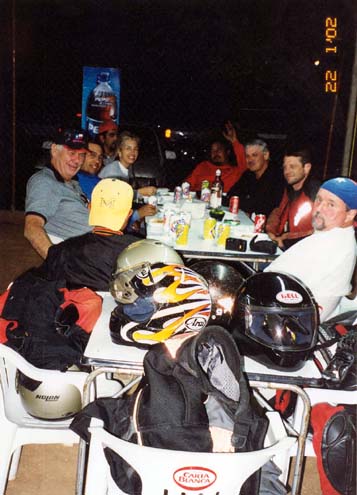
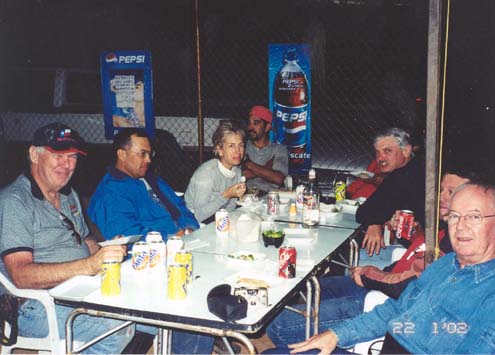
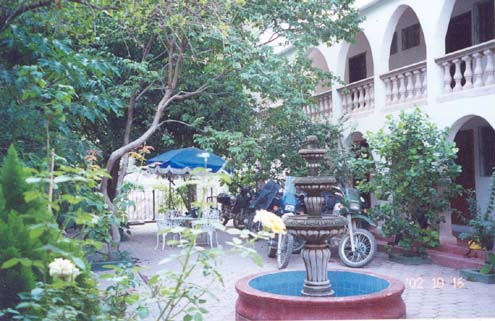
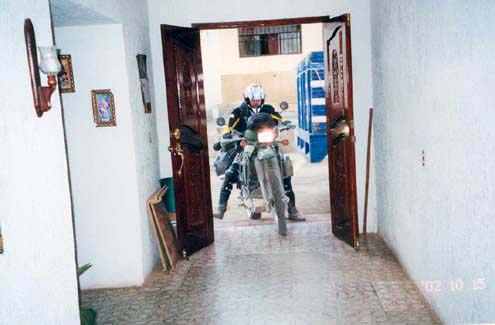
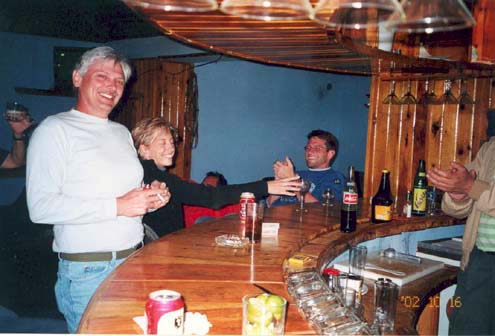
The food was great throughout the entire trip, Bert recalls fondly, even if one rider did learn what they mean by the "Aztec two step." The accomodations at night were warm and hospitable. Well, at least they were warm during the day. The first morning in Mexico Bert woke to an ice-cold shower. Turns out the place they were staying always turned off the gas at night and by the time the hot-water heaters could turn out a steamy shower, Bert and the gang had pavement flying beneath their feet. At another place the group chose to spend the evening, they asked the manager if there was a secure place to keep their motorcycles overnight. The man said, "Sure. You can leave them in our inner courtyard." That meant the crew had to first ride through the hotel lobby to reach the courtyard. Now, honestly, anyone that wouldn't enjoy throwing open the double-doors, hitting the throttle and riding a rumbling motorcycle though a modern hotel lobby needs to check for a pulse.
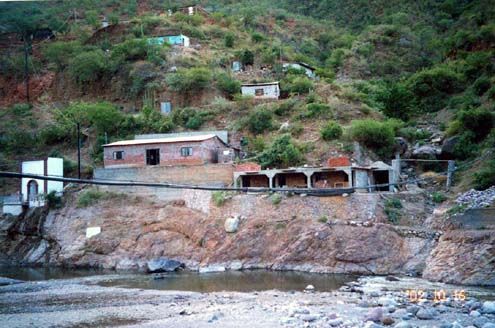
In all, it was a nine-day trip filled with great memories of a remarkable country that is so close to Texas geographically and yet so far away in some ways. All the beauty of the region can be haunted by an underlying sadness that comes from the undeniable poverty that unfortunately grips so much of Mexico. A few seem to have so much, while so many live in corrugated metal shacks with no water or electricity. Mexico is blessed with vast natural resources like oil, but that blessing never seems to reach the children playing along the roads in their underwear.
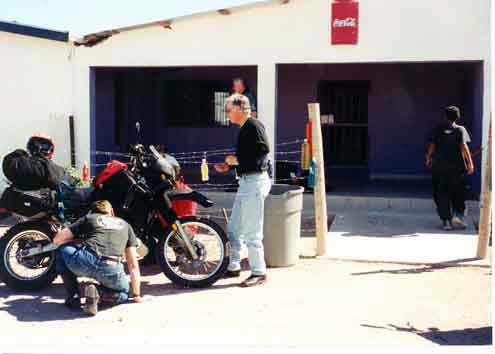
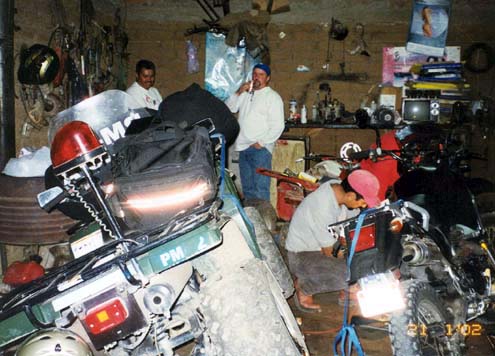
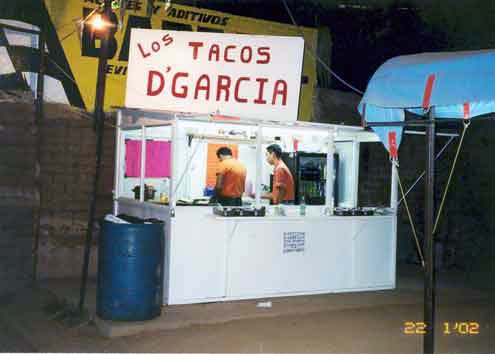
But some of Simpson's best memories are of a resourceful people that took good care of his two-wheel entourage. In Chihuahua, one of the bikes broke down. Imagine having a Japanese motorcycle break down in Mexico. Finding a Kawasaki dealer isn't like looking for a taco stand. As the group sat contemplating their mechanical difficulty, down the street comes what amounts to a fraternity brother; its a Mexican on his KLR 650. This kindred spirit stops when he sees seven bikes just like the one he is proudly straddling and the translator in the group tells the man, "We've got problems."
"Not for long," the Mexican biker says with a smile. "I have a friend. Follow me."
Through the back streets of Chihuahua the good Samaritan leads his American counterparts. Down dirt streets, past chickens scurrying out of the way and waving children, then through a creek the procession of bikers slowly made their way five or six miles to the "friend." The man turned out to be a motorcycle machanic and parts from similar Kawasaki motorcyles lined the walls of his shop. The place may not have looked like much from the outside, but once the riders saw the interior, they knew they were at the right place. Turns out several Mexican policemen ride the durable, long-range Kawasaki bikes and the mechanic simply found the part he needed off an old bike he had laying around. Soon the group was back on the road with memories of how everyone speaks the same language if they truly love motorcycles.
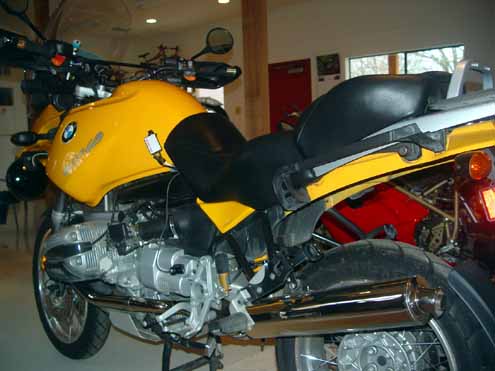
Although he has enjoyed riding bikes all his life, these amazing adventures of Bert's began in 2000 when 10 guys from Bonham took off for Sturgis, South Dakota. The first nine guys were on Harleys. Simpson cruised along behind on his favorite bike, a bright yellow BMW R1150 GS that looks more like a piece of art than a piece of machinery.
 |
That same powerful BMW has also carried Bert along the Pacific Coast on the legendary Highway 1, northwest to Alaska and northeast to Nova Scotia.
After taking in all those sights, is Simpson thinking about hitting the highway again?
"You know what," Bert says with a grin, "I think it would be fun to fly to Italy, rent a Ducati motorcycle and take a run through the Pyranees Mountains."
Somehow "fun" doesn't do a trip like that justice.