

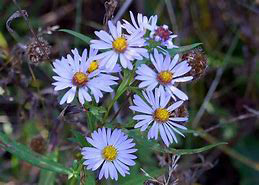
It sneaks into your bermudagrass because the tiny new plants that come up in the Spring blend in perfectly with the stems of the grass. By the time you realize how much is there, it is a rough-stemmed plant intertwining with your bermuda. It’s getting ready to bloom now!
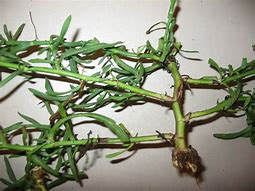
The second front to launch on the mature plant is the use of a broadleaf and woody weed killer containing the chemical 2,4-d. There are several name-brand products in liquid, dust or granular form that you apply accordingly. 2,4-d is labeled to kill many different types of broadleaf weeds such as crabgrass, for one, but it also listed many desirable plants such as goldenrod. The labels also warned the user that the product should not be allowed to enter water streams and don’t allow it to overspray or drift onto other plants or outside of your property. I prefer to avoid the use of chemicals with a warning label as serious as the ones I read standing in the aisle of the gardening center.
The third front to wage my battle is to apply a cool season pre-emergent NOW. There are several brand names to choose from which come in liquid and granular form containing the active ingredient dithiopyr. There are warnings outlined on these product labels which must be considered carefully. A pre-emergent acts to stop the seed of various labeled plants from germinating so they don’t get a chance to invade your lawn.
The last piece of advice to win this war is to take better care of the bermudagrass during its growing season, and the roadside aster won’t have such an easy time making its way into my lawn. The grass needs to be fertilized according to its season, watered on a regular basis, and mowed to its recommended height to fill in all the spaces that weed seeds would like to fill.