

Integrated pest management (IPM) is a sound, sensible approach for controlling insects, plant diseases, and weeds using methods that protect human health, are safe for the environment, and are cost effective. IPM brings together, or integrates, biological, organic, cultural, mechanical, and chemical options for pest problems. IPM includes more than bugs – it also includes control of fungi, mildew, bacteria, viruses, weeds, and wildlife. All of which can be pests if they are in the wrong place at the wrong time. Lastly, IPM is management, not eradication, of pests. There is no permanent solution to rid all pests. Remember, the best offense is a good defense. To do this, IPM uses four key strategies to control pest damage while still fostering environmental awareness and stewardship.
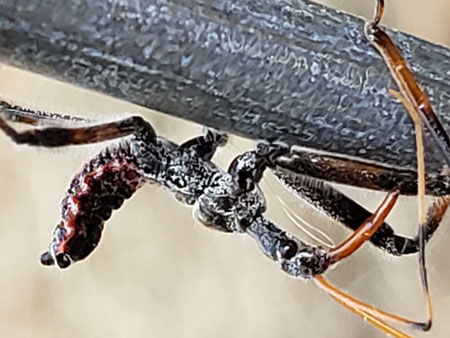
Biological control is the use of natural enemies--predators, parasites, pathogens, and competitors--to control damage. The first step of biological control is to initially select plants that are resistant to pests and disease.
Cultural controls are practices that reduce pest establishment, reproduction, dispersal, and survival. For example, changing irrigation practices can reduce pest problems, since too much water increases root disease and weeds.
Mechanical and physical controls kill pests directly, block pests out, or make the environment unsuitable for them. Examples of mechanical controls include traps for insects or wildlife; mulches for weed management; steam sterilization (solarization) of soil for disease management; and barriers, such as screens, to keep birds or insects out.
Chemical control is the use of pesticides. In IPM, pesticides are used only when needed and in combination with other approaches for a more effective, long-term control. Pesticides are selected and applied in a way that minimizes possible harm to humans, non-target organisms, and the environment. Effective IPM uses the most selective pesticide that does the job and is the safest for other organisms and for air, soil, and water quality. Instead of using blanket coverage of a pesticide, try using pesticides as bait stations rather than sprays, or spot-spraying a few weeds instead of an entire area.
Summed up in four words, IPM would be: “Think before you spray”.
Alice Mussett
Fannin County Master Gardener