

Dallas, Texas -- A Texas landscape that thrives begins with a good design. That is the seasonal message this spring from Patrick Dickinson, horticulturist with Texas A&M AgriLife’s Water University outreach program in Dallas.
“Know the colors you want, the space you have to work with and the light conditions in that space before ever entering a plant nursery,” he said.
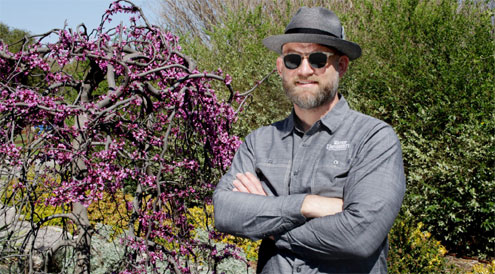
As spring landscaping activities kick into full gear, Dickinson recommends measuring the area to be planted and creating a map of it. Even a hand-drawn rendering on grid paper will go a long way toward building a successful landscape or planted bed, he said.
Spacing
“Knowing where your plant will go ahead of time, for proper spacing, will guarantee a lasting design you’ll enjoy,” Dickinson said. “And it ensures the plant will have the proper room to thrive.”
Once the space is measured and drawn out, study several plants’ adult sizes, bloom colors, growing periods and requirements for light and water.
One of the most important aspects underlying a plant’s success, Dickinson said, is whether it’s planted inside its proper hardiness zone as prescribed by the U.S. Department of Agriculture. He stressed choosing plant varieties native or adapted to wherever they will be planted.
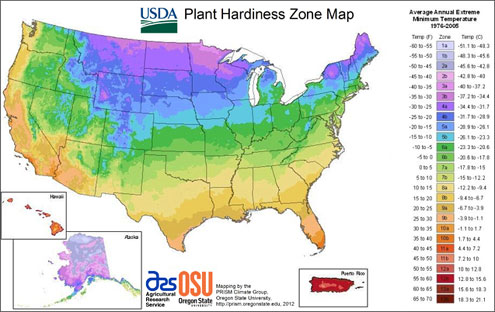
“The USDA hardiness zone map shows average extreme hot and cold temperatures for every region of the country,” Dickinson said. “Your plants’ packaging or soil tag should give you a range of hardiness zones where your plants will thrive.”
Right plant
Dickinson cautioned consumers about the wide availability of plants offered in nurseries that demand heavy inputs, including fertilizer and water. When choosing plants primed for zones beyond where they will be planted, Dickinson endorses using containers.
“Vibrant pots can add very nice structural aesthetics and color to a landscape,” he said. “And best of all, it allows you to control micro-environments more efficiently for demanding plants.”
Whether plants are planted in the ground or in pots, Dickinson said, adding mulch will help lock in moisture during dry months. Mulch also helps to control weeds by smothering them when they sprout in spring, when pre-emergence herbicides are no longer effective. He recommends 4 inches of mulch in landscape bedding and a thin layer for pots and planters.
“All these considerations together will guarantee your landscape’s best success regardless of what unpredictable weather brings to your area,” Dickinson said.
For a list of top plants for North Texas, check the plant database at https://wateruniversity.tamu.edu
Across Texas, try the Earth-Kind Plant Selector at http://ekps.tamu.edu/