

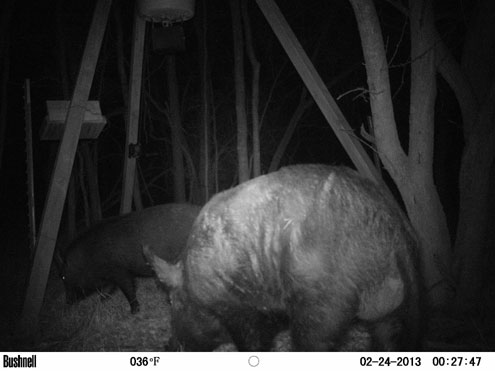
In Texas, there is no official season for hunting wild hogs. Many of us hunt them year around here in the Lone Star State. If there were a season, though, it would be from the close of deer season until late spring. Cold weather and hunting and butchering wild hogs go together like ham and eggs.
Speaking of ham, did you know making ham at home is a very easy process and a task anyone can perform successfully? All that’s needed is cure, a refrigerator and a method of cold smoking the meat once it’s cured. Just last week, I shot what I consider to be the perfect meat hog, a sow weighing a little over 100 pounds. The intent of this week’s column is to impart some of the wild pork processing and cooking knowledge I’ve gleaned over much of a lifetime spent hunting, butchering and cooking wild hogs. The way I transformed this little porker into the makings of many fine meals might provide you with some ways to put some great tasting game meat to use.
I’m often asked, “Are wild hogs good eating?”
This is hugely loaded question. I usually respond with something like, “Well, if you were looking for a beef for the freezer, would you pick out an old, breeder bull or a younger animal in its prime?"
This answer pretty much sums up my idea of wild pork use as table fare. While I’ve eaten boars weighing up to about 150 pounds and found them to make good-tasting pork, I’ve also killed some smaller boars that, when I walked up to them, had a rank smell. Your nose will tell you whether or not the boar you harvest will be good eating. If there is a strong smell, leave it for the coyotes. I try to target smaller boar or, better yet, sows of just about any size, for eating.
I usually cook at least one ham and shoulder in the smoker. I begin by removing the lower portion of the ham, the shank portion. This is the toughest part of the ham and has very little meat. With the shank removed, the ham is much easier to work with during the cooking process. I use a prepared rub, I prefer Head Country Championship Seasoning because it contains all my favorite spices in the perfect amounts. But, you can season the ham with the dry spices you like best. Rub the ham and shoulder well, give it a good coating of the dry seasoning. Add some brown sugar if you like a sweeter flavor to your BBQ.
After the meat is seasoned, I use my Smokin Tex electric smoker to put a good smoke ring (and flavor) to the pork. Hickory, pecan or any fruit wood works well but I prefer dried, wild plum wood which I cut during the winter months and allow to dry. About 3 hours of smoking with the temperature at 225 degrees imparts a great smoked flavor.
Next, I place the meat quarters on a double layer of heavy duty aluminum foil and add some Head Country BBQ sauce and a little apple juice. Remember, to create pulled pork, low heat, moisture and a long cooking period is required. On top of the ham or shoulder, I add several bay leaves.
Wrapped tightly in foil, I place the meat in my smoker, set the thermostat at 185 degrees and let it slow cook for at least 14 hours. The pork I cooked this past week end was left in the smoker from noon on Saturday until 7 am Sunday. The meat was ‘pull off the bone’ tender, well seasoned and very flavorful.
It’s impossible to use a knife on pork this tender, thus the term ‘pulled pork’, about all you can do is use your hands to remove the meat from the bone. Unless you have a big crowd to feed, it’s best to add a little more BBQ sauce to the pork and place it in freezer bags in smaller quantities. A pulled pork sandwich makes a great meal for upcoming fishing or hunting trips or for dinner at home.
Curing pork is very easy and rather than the hams, I prefer to use the backstraps because they are much more tender.
Frisco Spices (www.friscospices.com) stocks many flavors of cure but I usually opt for a sugar cure. Make sure and use the recommended amount of cure and rub it well into each piece of backstrap. Too much cure causes the finished product to be too salty. The cure penetrates the meat a quarter inch each day, one eight inch on either side. After applying the cure, I rub a generous amount of dark brown sugar into the meat, place it in a plastic freezer bag and set it in the refrigerator for 7 days, making sure to turn it every couple days so that the cure is well distributed.
Cured meat can be cold smoked at low temperatures. I use plum or pecan wood to smoke the cured backstraps and set the thermostat at 140 degrees. In about 5 hours of this ‘cold smoking’, the meat is transformed into cured, smoked ham. I usually put the smoked meat back in the frig for another couple weeks and allow the cure to continue working its magic transforming the meat into ham. If the backstraps begin to dry out after a couple hours in the smoker, it’s sometime necessary to wrap them in foil to keep the moisture in. Sliced thickly and fried in a little olive oil and served with eggs, hashbrowns and toast, you have the makings of a great breakfast.
If you don’t have the time or inclination to do your own meat curing and smoking, most wild game processors can handle the task for you but once you begin doing the work yourself, I’m betting you will enjoy customizing the seasonings and wood smoke to suite you and your family's taste.
________
Pending new lake record hybrid striper at Lake Cooper - This past week, Denise Malone landed a new pending lake record hybrid striper from Cooper. The big fish tipped the scales at 11.97 pounds and was caught while fishing with veteran guide Tony Parker. When certified, Malone’s hybrid will eclipse the current record weighing 11.22 pounds, landed by Harry Pitchford back in August of 2004.
Listen to Outdoors with Luke Clayton radio at www.catfishradio.com . Contact Luke with fishing and hunting news from your area via the web site.