

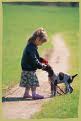

For them, when the kids leave for a whole day at school, it is not a case of “out of sight, out of mind.” It is a case of feeling abandoned or punished. Forget the nine months of school that ended in May with just such a daily routine, because for the pets, that was so long ago that they don’t even remember it. They just know that somebody who they’ve seen and heard every day for three months is leaving without them, and every hour they are gone reinforces the pet’s anxiety that they aren’t coming back for them.
If you are a parent who shares the joy and wonder of having a pet companion with your children, pointing out to them the loyalty and love their pet offers them, this is a good time to strengthen that bond by helping your child think of ways to make the loneliness his or her pet will feel without their company. That kind of conversation encourages compassion and understanding about how animals have feelings, too, and that experience will follow them into adulthood.
Calling your child’s attention to how his or her pet watches every move they make, expresses joy with the least little gesture from the child, and connecting with the animal through eye gives a whole new meaning to a child who also wants to be love and to be important to someone in the family.
Preparing the pet for the loss of a child’s companionship on school days can be a family project as parent and child devise ways to make the morning departure for school less stressful for both the child and the pet. Practicing some of the techniques from the previous column will also illustrate how quickly the pet will learn the signs that a separation is imminent.
One of those techniques includes short excursions outdoors by the child, gradually increasing the time out of the pet’s sight. Giving the pet a special toy or treat as a distraction when the child leaves can serve to lessen the trauma of being left behind. Providing a piece of the child’s clothing that retains the child’s scent will bring a measure of comfort to the pet during the long lonely hours.
Returning home after school need not be a chaotic occasion. Teach the child the Cesar Millan disciplinary measure of “no talking, no touching, no eye contact” for the first few minutes of the reunion. This instinctively puts the child in charge of the animal’s enthusiasm when acknowledgement of the dog’s presence is withheld until the animal has retreated to wait for a welcome signal from the child.
Teaching a child to have patience and perseverance with his or her pet has many side benefits in the child’s own self-control and discipline. Helping a child to teach an animal limitations and discipline for its own safety and happiness can give astute parents a valuable tool for emphasizing their motivation for the limitations and rules they set forth for the children in the family.