No one can doubt the contribution railroads made to America in the late 1800s. Rail commerce was so critical to this developing nation that if the railroad didn't come to a city, sometimes the city came to a railroad. Entire cities picked up and relocated along the tracks.
The future of railroads in America is a more difficult question. In Bonham, the issue is even cloudier. Can a deserted stretch of track that runs through a secluded and scenic part of Fannin County be used to attract tourists? Could the energy crisis encourage industrial use of the nation's railway system?
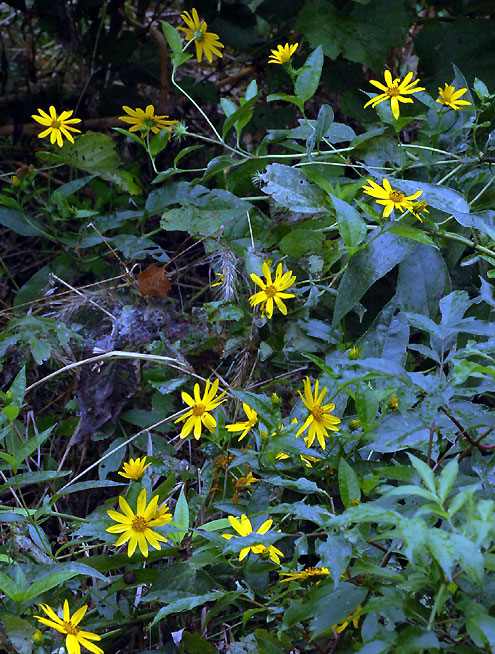
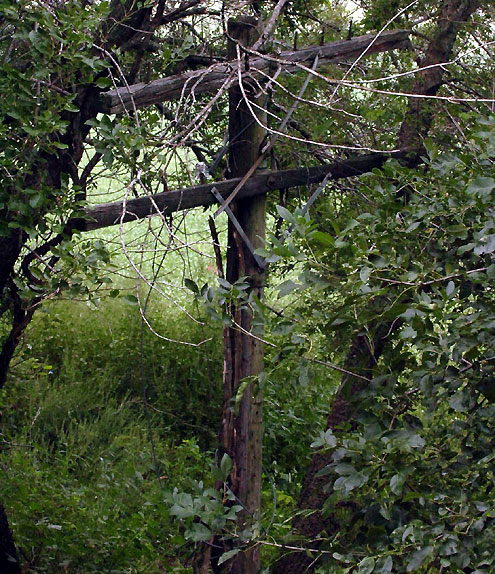
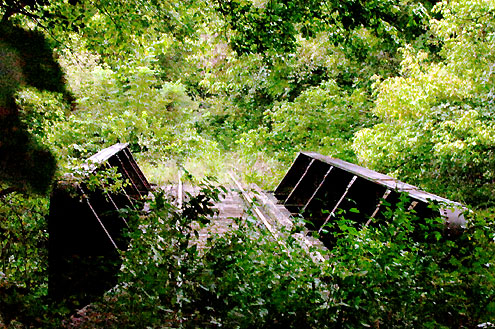
The Fannin Rural Rail District is trying to find answers to those questions, but first they have a more pressing problem. Just as surely as workers steadily advanced this track across North Texas in 1873, underbrush and vines are slowly reclaiming their lost territory.
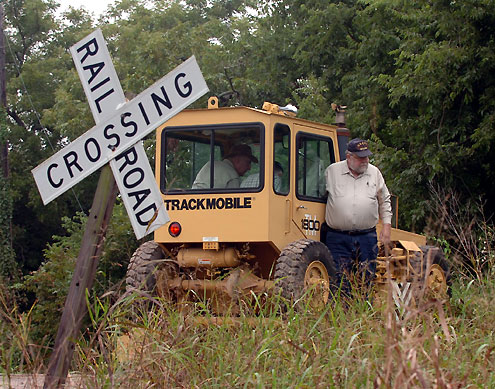
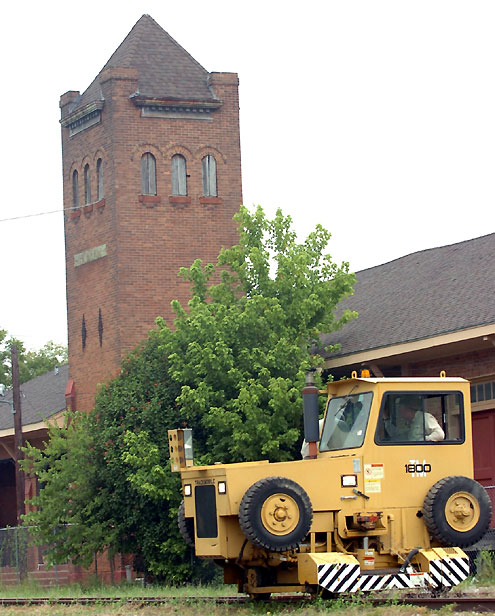
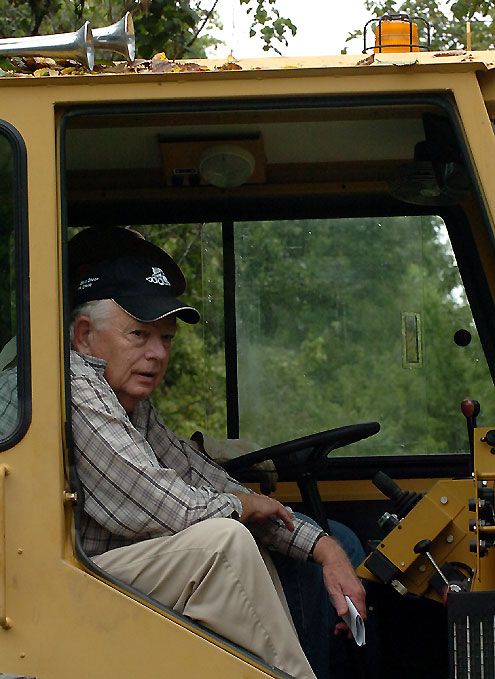
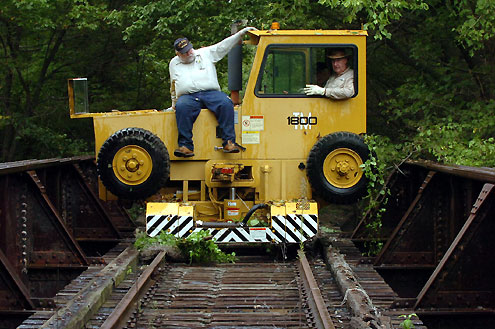
This past week, three members of the Fannin Rural Rail District took a ride on a trackmobile from the Bonham depot to slightly east of Bois d'Arc Creek. Fannin County Commissioner Pat Hilliard purchased the trackmobile, a railroad version of a tug engine, for $3500 in hopes that it could pull a railroad car filled with tourists from Bonham, across Bois d'Arc Creek, through Clendenon Cut and over Sloans Creek, with possible stops in Dodd City, Windom and Honey Grove.
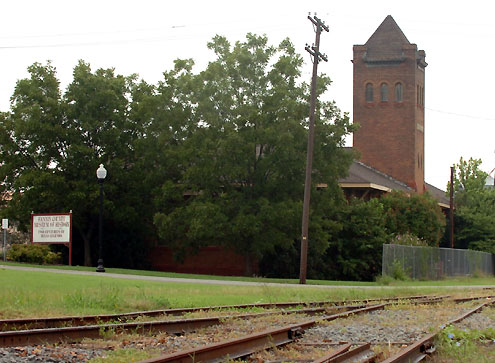
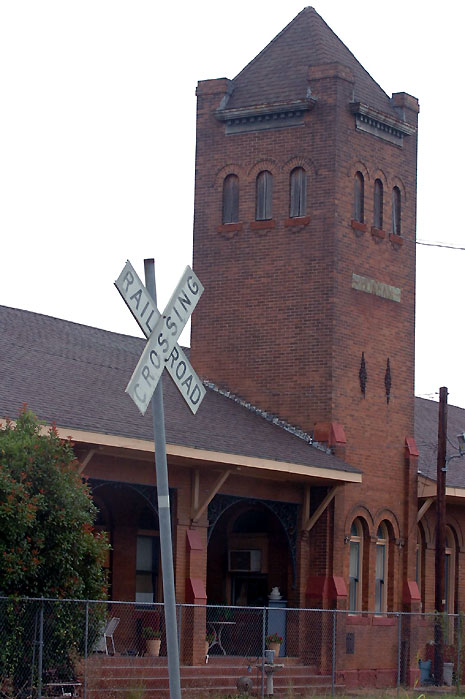
As the population of Collin County soars past 750,000 residents and suburban sprawl swallows up the peaceful rolling hills of North Texas, this stretch of track could turn into a long lost treasure. Families could pass time waiting to catch the train by visiting the Fannin County Museum of History that is located in the former railroad depot at Bonham.
Once onboard, this isn't just a ride through a scenic part of rural North Texas; this is also a ride through history. French trappers in the mid-1700s named the first creek the railroad passes over Bois d'Arc Creek, meaning "wood of the arc" because of the highly valued hunting bows Native Americans fashioned from the abundant bois d'arc trees in this region.
In Windom, the tracks run in front of a popular restaurant housed in an historic limestone building. A tourist train could energize downtown Honey Grove, where visitors from the Metroplex would enjoy a walk around the redbrick square.
Outdoor enthusiasts have asked that the county consider a small hiking/biking path running parallel to the railroad line so that families could take their bikes to Windom or Honey Grove, eat lunch and then pedal back into Bonham.
But for now, the tracks must be cleared of brush and then washouts repaired. The Fannin Rural Rail District has secured a long-term lease of the tracks from the Bonham City Limits on the east side of town almost to Paris. Bonham Economic Development Corporation is negotiating for about a mile of tracks from the city limits to a 55-acre park currently being developed along Powder Creek.
Industrial use of this section of tracks would be a much costlier project. Estimates begin at approximately $4 million to repair just the section from Bonham to Honey Grove in order to begin moving freight by rail.
On the other hand, tourism is expected to become the largest industry throughout the world in the next decade. With a little vision, it just might turn out that the men who laid these tracks in 1873 were 135 years ahead of their time.