Washington, D.C. (Nov. 2, 2026) – The U.S. Department of Agriculture (USDA) is investing $21 million in an additional 10 projects to increase public access to private lands for wildlife-dependent recreation while benefiting farmers, ranchers and private landowners.
Through the Voluntary Public Access and Habitat Incentive Program (VPA-HIP), USDA’s Natural Resources Conservation Service (NRCS) is helping state and tribal governments encourage private landowners to allow public access to their land for hunting, fishing and other wildlife-dependent recreation. The second round of award selections includes projects in Arizona, Kansas, Oklahoma, South Carolina, South Dakota, Tennessee, Texas, Washington and Wyoming.
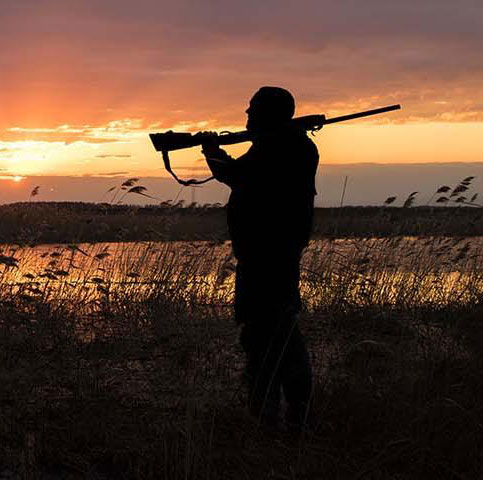
“One of my main priorities has been expanding wildlife conservation and outdoor access through locally led partnerships,” said NRCS Chief Colton L. Buckley. “The Voluntary Public Access and Habitat Incentive Program enables us to work with state and tribal partners to provide recreational access to private lands, support rural communities and ensure we are keeping working land in working hands.”
The Working Families Tax Cuts Act restored funding for VPA-HIP, enabling NRCS to offer the competitive grant program for state and tribal governments. NRCS awarded $49 million to 19 projects during the first round of award selection announced in July 2026. Between the two rounds, NRCS has invested a total of $70 million in 29 projects.
A few examples of projects selected in Round Two include:
- Choctaw Nation of Oklahoma: The funding will be used to establish and expand a new Tribal voluntary public access program that incentivizes private landowners to provide public access for hunting, fishing and other wildlife-dependent recreation across Tribal lands in southeastern Oklahoma.
- Kansas Department of Wildlife and Parks Walk-In Hunting Access (WIHA) and Walk-In Fishing Access (WIFA) programs: The state of Kansas will expand its existing, prolific public access programs to provide more opportunities for hunting, fishing and other forms of wildlife-dependent outdoor recreation. The goal is to enroll an additional 40,000 acres of public hunting land, 250 acres of fishing access, two navigable river access sites and add 180 landowner enrollments.
- Texas Parks And Wildlife Department (TPWD): TPWD plans to expand the number of public hunting areas and days; increase the acreage of their current leased public access program and the number of private-land drawn-hunt permits available through the state-run system; maintain existing leased river access sites; and establish new leased river access sites for fishing, paddling, and wildlife viewing.
See a list of all projects here.
Projects may be up to three years in duration. Selected projects will receive between $833,000 and $3 million in funding. Project sponsors can use up to 25% of funds to provide incentives to landowners to improve wildlife habitat on enrolled public access program lands.
For more than 90 years, NRCS has helped farmers, ranchers and forestland owners make investments in their operations and local communities to improve the quality of our air, water, soil, and wildlife habitat. NRCS uses the latest science and technology to help keep working lands working, boost agricultural economies, and increase the competitiveness of American agriculture. NRCS provides one-on-one, technical assistance and financial assistance and works with producers to help them reach their goals through voluntary, incentive-based conservation programs. For more information, visit nrcs.usda.gov.