A Joint Project of the Sam Rayburn House Historic Site and the Fannin County Historical Commission
Celebrating America 250 with Spotlights of Fannin County Citizens Who Participated In or Witnessed Historical Events
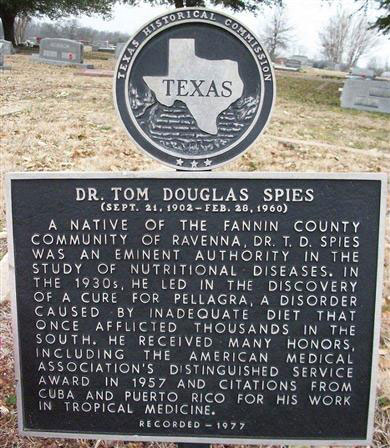
Fannin County, Texas -- Tom Spies was born at the Spies Plantation in Ravenna in 1902, the son of Mary Love and Judge J.E. Spies. At the time of his death in 1960 he had been honored far and wide for his contributions in the field of nutritional deficiency diseases.
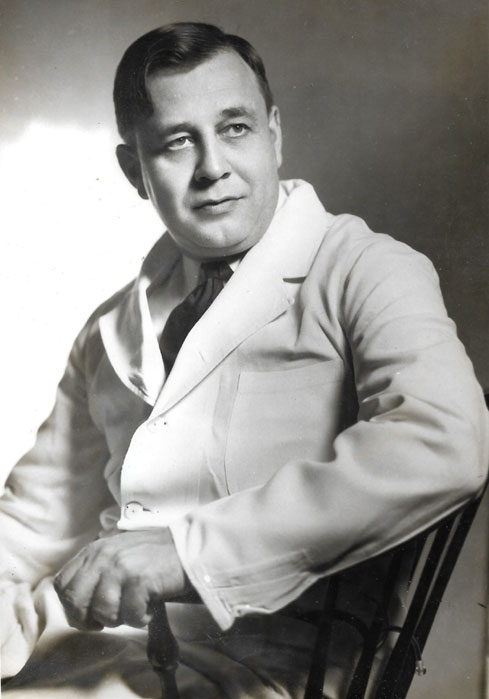
He graduated from Bonham High School, then earned his Bachelor of Arts degree from the University of Texas in 1923. He received his Doctor of Medicine degree from Harvard Medical School in 1927.
Growing up in rural Fannin County, Tom Spies saw first hand the effects of the horrible disease of pellagra. Known as the “poor man’s disease,” pellagra was widespread among the South. It caused rough red patches on the hands and head sores, rash, swollen tongue and severely inflamed mouth which interfered with eating. The diet of the poor rural population who were afflicted with pellagra consisted of grits, dried beans, cornbread and syrup. It lacked milk, eggs, fresh meat and green vegetables in the spring when these foods were scarce and expensive.
Dr. Tom Spies was among the first to prove that pellagra was caused by a deficient diet, and among the first to use nicotinic acid, a constituent of Vitamin B-2, as an inexpensive cure for pellagra. This achievement was compared to the conquest of yellow fever.
He also helped conquer sprue, a crippling tropical disease similar to pellagra, and pernicious anemia.
He was a consultant to the Secretary of War in Tropical Medicine during World War II.
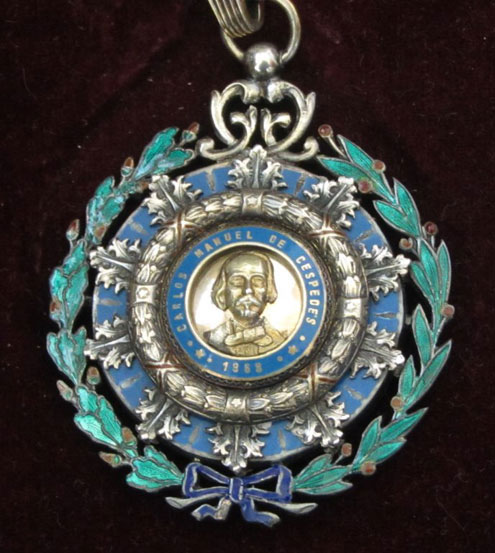
He won many awards. He was recognized by TIME Magazine as “one of the Men of the year, outstanding in comprehensive science” in 1939. In 1945 he was chosen as “Man of the Year” by the Progressive Farmer Magazine. In 1950, in the Presidential Palace in Havana, Cuba, he was decorated with the Order de Carlos Manuel de Cespedes, the highest award of the Cuban government, by President Carlos Prio Socarras.
In 1957 the American Medical Association presented Dr. Spies with the AMA’s Distinguished Service Award “for his outstanding contributions to the science of human nutrition. . . “Through increased knowledge in the science of nutrition and metabolism, Dr. Spies and his associates have not only stopped the ravages of pellagra in this country, but have made endemic sprue virtually non-existent in Cuba and Puerto Rico.”
Although he did not live as an adult in Fannin County or Bonham, “when he came home to Bonham he spent many late night hours sitting in Peeler’s Drug Store with the pharmacist, the late E. C. Parker Sr., and local doctors as they conversed on their theories about nutrition and medicine.”
At the time of his death long obituaries were published in the New York Times, the New York Herald Tribune, the Harvard Medical Alumni Bulletin and El Mundo.
He is one of the most distinguished Fannin County natives. He is buried at Willow Wild Cemetery in Bonham in plot K, 456. A Texas Historical Marker honors his grave.